
Restoring the Meadows: Four Years of Seagrass Research
12 Oct 26
While our financial support of Cawthron Institute’s seagrass research has now concluded, we are proud to celebrate what was achieved through this partnership and the impact it has helped create.
Restoring the Meadows: Four Years of Seagrass Research
For four years, OneFortyOne New Zealand has supported Cawthron Institute’s research on advancing seed-based restoration techniques using seagrass meadows in the Nelson region as a case study.
During that time, researchers have developed and refined techniques for collecting, storing and germinating seagrass seed, improved restoration success rates, and produced a blueprint to guide future restoration projects around New Zealand.
Why seagrass matters
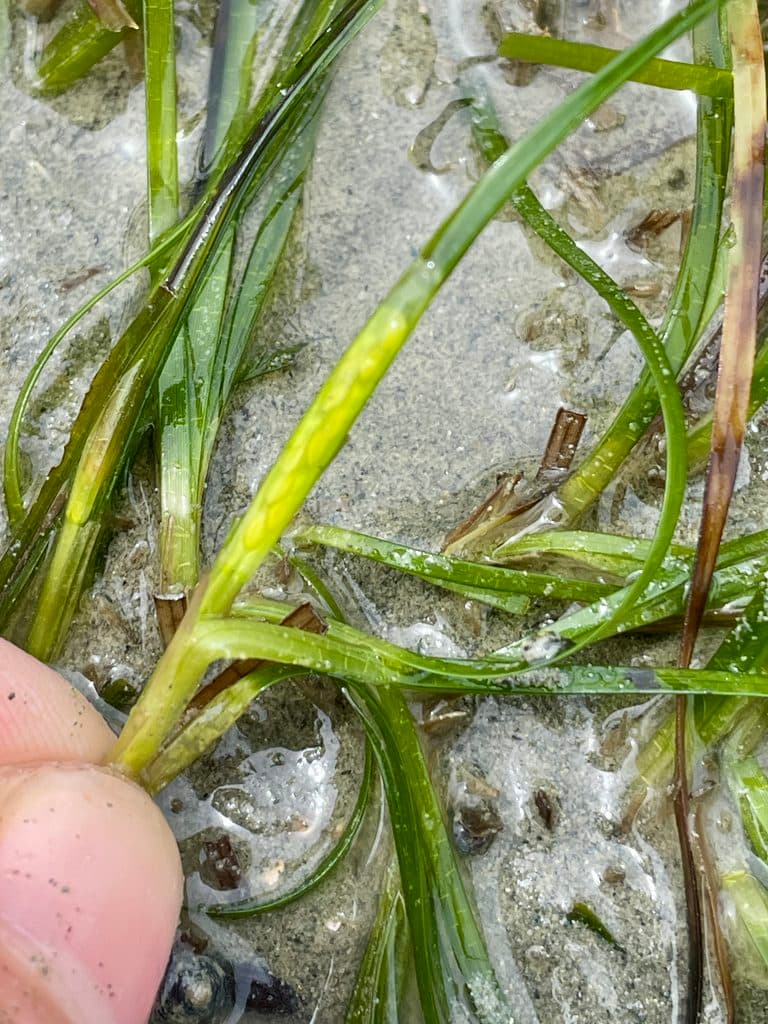
Seagrass meadows filter water, stabilise sediment, provide habitat for fish and shellfish, and help store carbon.
In the Top of the South, many seagrass meadows have greatly declined with some lost altogether, mirroring losses seen elsewhere in New Zealand and around the world.
Until relatively recently, very little was known about seagrass flowering in New Zealand. Once researchers confirmed that our native seagrass produces flowers and seeds, attention turned to a new question: could those seeds be used to help restore lost meadows?
Over the past four years, Cawthron’s Restore the Meadows programme has helped answer that question.
The numbers behind four years of work
One of the programme’s major achievements has been improving the efficiency of seed collection and propagation.
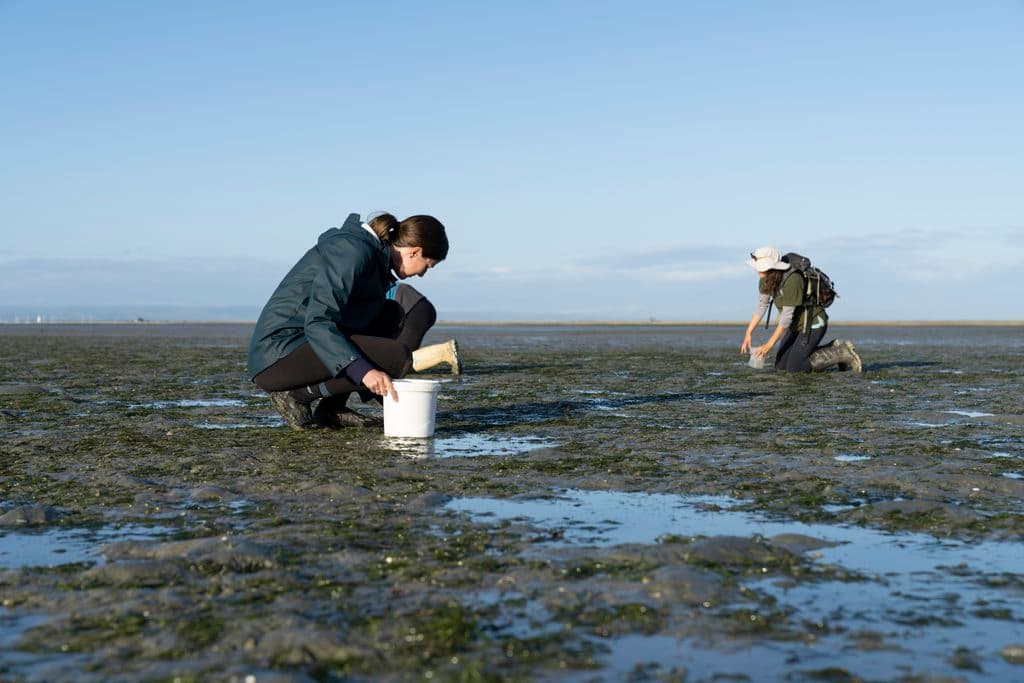
- Flower collection increased from around 600 flowers in the programme’s early stages to approximately 24,100 flowers in 2025. Over time, researchers improved their understanding of flowering timing and learnt to target the most suitable flowers for collection.
- Germination success improved from 4 percent to 25 percent through research into environmental triggers such as freshwater pulse, temperature and oxygen levels.
- The first seagrass seedling was grown from seed in aquaria in 2023, with nearly 400 seedlings grown overall since then. The team investigated the best way to grow seedlings under different conditions relating to light, microbiome and sediment type.
- The team’s research has been captured in a seed-based restoration blueprint designed for community groups, iwi, councils and environmental organisations wanting to undertake restoration work in their own regions.
- A companion app is helping build a national database of seagrass flowering observations following a simple and standardised monitoring approach.
Impact beyond the science
The programme has supported students and emerging researchers, strengthened links with Australian seagrass research experts, and contributed to international knowledge-sharing on seagrass restoration. Researchers have also seen a shift in public awareness.
The team carried out over 590 outreach hours to increase knowledge of seagrass and coastal restoration and health. They reached 2,450 people including community, iwi, schools, environmental managers, scientists, universities and industry.
As marine ecologist Dan Crossett notes, seagrass was once something many people simply overlooked. Today, community members are reporting sightings, asking questions about local meadows and taking an interest in its protection and restoration. The programme has brought together researchers, volunteers, students and community groups around a shared goal, helping build both scientific understanding and local stewardship of coastal environments.
OneFortyOne’s role
OneFortyOne’s multi-year funding commitment provided certainty for the programme as it evolved.
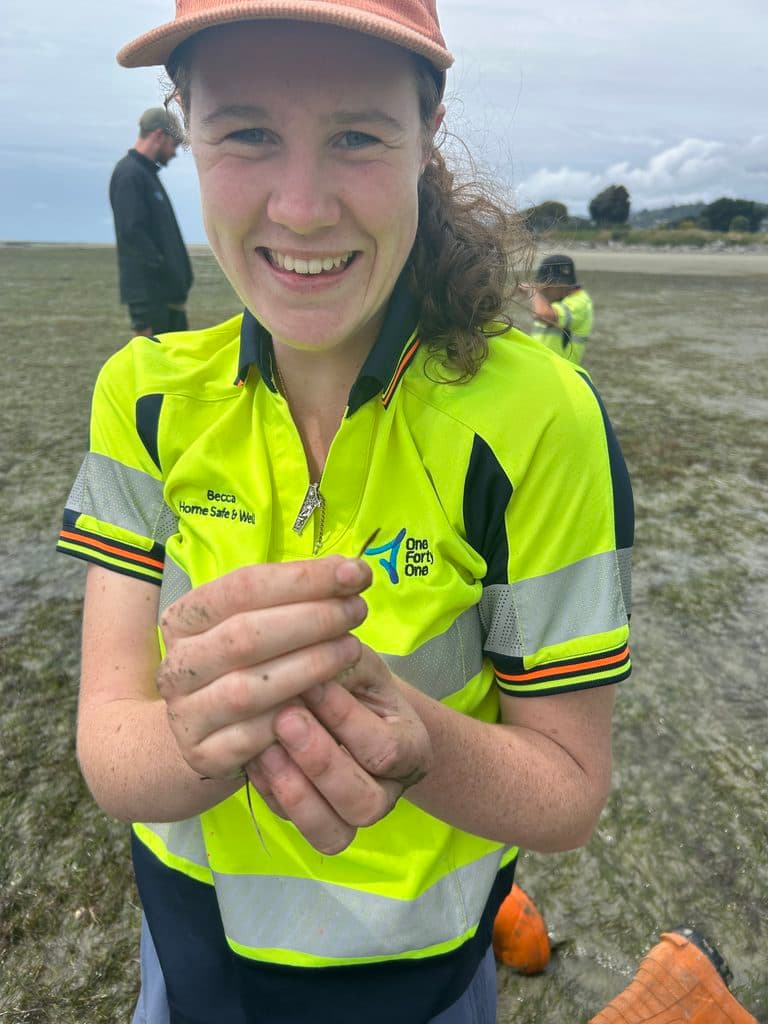
According to Cawthron’s Dana Clark, that long-term support helped the team take on a PhD student, continue seasonal flower collection and invest in community engagement and outreach alongside the scientific research.
The partnership also extended beyond funding, with OneFortyOne employees joining field days and volunteering alongside the research team during flower collection.
Looking ahead
The blueprint developed through Restore the Meadows is intended to be a living document, continuing to evolve as new techniques are tested and shared.
The long-term goal is for community groups, iwi, councils and government agencies to use these methods to restore seagrass meadows in their own regions.
Four years of research have helped advance seed-based seagrass restoration from an emerging idea towards a practical tool. OneFortyOne is proud to have supported that work and the knowledge, partnerships and community capability it has created.
News & Resources
21 Sep 26
News
27 Aug 26
Community
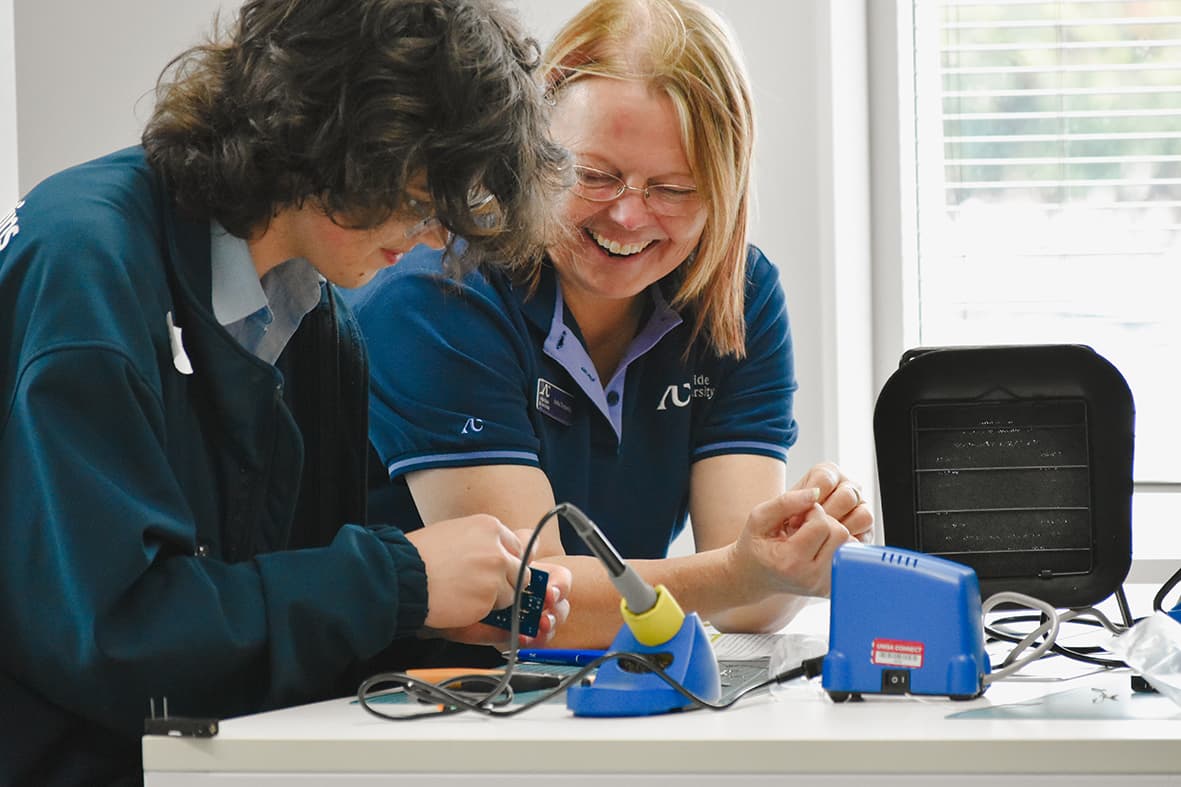
Science Experience brings STEM to life for regional students
25 Aug 26
News
OneFortyOne acknowledges the Traditional Custodians of Country throughout Australia and their deep connections to land, water, and community. We pay our respect to Elders past and present and extend that respect to all First Nations people today.
In Aotearoa New Zealand, Māori communities have a strong spiritual connection between people and the land – the wellbeing of one sustains the wellbeing of the other. We strive to build meaningful relationships with iwi as tangata whenua (people of the land/region), to be responsible intergenerational kaitiaki (stewards/guardians) of the land where our forests grow.